
The pleiomorphic actions of vitamin D and its importance for children
- Affiliations
-
- 1Department of Pediatrics, Bundang Jesaeng General Hospital, Daejin Medical Center, Seongnam, Korea. odajulia@dmc.or.kr
- KMID: 2047460
- DOI: http://doi.org/10.6065/apem.2013.18.2.45
Abstract
- Knowledge regarding the physiological role and dietary requirements of vitamin D has dramatically expanded over the past several decades. The "new" vitamin D is not only a mediator of calcium homeostasis, it also has important immunomodulatory, antimicrobial, and antiproliferative actions. In spite of the interest in vitamin D as a mediator in many chronic diseases of adulthood such as cancer and type II diabetes, less attention has been given to the implications of the new understanding of vitamin D for child and adolescent health. Recently, rickets caused by vitamin D deficiency is resurging in developed countries. Therefore, pharmacokinetic studies and epidemiologic research that incorporates clinical and functional outcomes are needed to clarify the role of vitamin D in growth and development in Korean children and adolescents and to determine vitamin D dietary requirements.
Keyword
MeSH Terms
Figure
-

Fig. 1 (A) Production of vitamin D from the skin via ultraviolet (290-330 nm) in a nonenzymatic manner. (B) The synthesis of vitamin D metabolites including the inactive form, 24,25-dihydroxyvitamin D, and the active form, 1,25-dihydroxyvitamin D (1,25(OH)2D). The process in controlled at several levels, including the liver, kidney, and peripheral tissues, and is regulated by systemic hormones including parathyroid hormone (PTH), 1,25(OH)2D, and fibroblast gowth factor 23 (FGF23). Calcium and phosphorus are also major modulators of 1-αhydroxylase and 24,25-hydroxylase activity through their effects on PTH and FGF23. 25(OH)D3, 25-hydroxyvitamin D3. Adapted from PubChem, National Center for Biotechnology Information, U.S. National Library of Medicine (www.ncbi.nlm.nih.gov/pccompound).
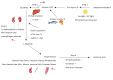
Fig. 2 Vitamin D metabolism are shown. UV, ultraviolet; DBP, vitamin D-binding protein; PTH, parathyroid hormone; FGF23, fibroblast growth factor 23; 1,25(OH)2D3, 1,25-dihydroxyvitamin D3.
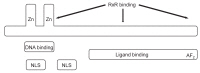
Fig. 3 Vitamin D receptor. The N-terminal region is short that, this region is followed by two zinc fingers, which constitute the principal DNA-binding domain. Nuclear localizing signals (NLS) are found within and just C-terminal to the DNA-binding domain. The ligand-binding domain (LBD) makes up the bulk of the C-terminal half of the molecule, with the AF2 domain occupying the most C-terminal region. The AF2 domain is largely responsible for binding to coactivators such as the steroid receptor coactivator family and vitamin D receptor-interacting protein complex. in the presence of ligand. Regions on the second zinc finger and within the LBD facilitate heterodimerization with retinoid X receptor (RXR).
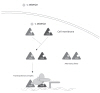
Fig. 4 The diagram of classic vitamin D signaling pathway. Vitamin D binds to its receptor, which dimerizes, preferentially vitamin D response elements in the DNA to regulate transcriprion. VDR, vitamin D receptor; RXR, retinoid X receptor.
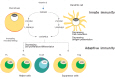
Fig. 5 Effects of vitamin D on the human innate (upper) and adaptive immune response (lower). When activated by mitogen or specific antigen, macrophages, dendritic cells, and lymphocytes express the vitamin D receptor (VDR), thereby becoming targets for the active vitamin D metabolite, 1,25-dihydroxyvitamin D (1,25(OH)2D). Macrophages and dendritic cells can also express the CYP27B1-hydroxylase that synthesizes 1,25(OH)2D from substrate 25(OH)D, the major circulating metabolite of vitamin D and acknowledged best indicator of the amount of vitamin D entering the host via cutaneous synthesis or that ingested in the diet. Operating in an intracrine mode, 1,25(OH)2D promotes microbial killing in the macrophage, whereas it inhibits maturation and the antigen-presenting capacity of the dendritic cell. If 1,25(OH)2D escapes the confines of the macrophage or dendritic cell in sufficient amount, it can act on VDR-expressing lymphocytes recruited to the local inflammatory microenvironment. The major bioaction of 1,25(OH)2D acting through the VDR in lymphocytes is to inhibit their proliferation and differentiation to maturity; this antiproliferative effect is more profound on the classes of helper than suppressor cells, leading to generalized suppression of the adaptive immune response.
Cited by 3 articles
-
Prevalence of Vitamin D Deficiency and Insufficiency in Korean Children and Adolescents and Associated Factors
Anna Lee, Se Hwi Kim, Chung Mo Nam, Young-Jin Kim, Soo-Ho Joo, Kyoung-Ryul Lee
Lab Med Online. 2016;6(2):70-78. doi: 10.3343/lmo.2016.6.2.70.Association of vitamin D deficiency with clinical outcomes in critically ill Korean children
Won Kyoung Jhang, Da Hyun Kim, Seong Jong Park
Nutr Res Pract. 2020;14(1):12-19. doi: 10.4162/nrp.2020.14.1.12.Serum vitamin D status in children and adolescence with diabetes according to season and age
Sung Su Jung, Min Sun Kim, Dae Yeol Lee
Ann Pediatr Endocrinol Metab. 2014;19(1):13-19. doi: 10.6065/apem.2014.19.1.13.
Reference
-
1. Girgis CM, Clifton-Bligh RJ, Hamrick MW, Holick MF, Gunton JE. The roles of vitamin D in skeletal muscle: form, function, and metabolism. Endocr Rev. 2013; 34:33–83. PMID: 23169676.
Article2. Rosen CJ, Adams JS, Bikle DD, Black DM, Demay MB, Manson JE, et al. The nonskeletal effects of vitamin D: an Endocrine Society scientific statement. Endocr Rev. 2012; 33:456–492. PMID: 22596255.
Article3. Matsuoka LY, Wortsman J, Dannenberg MJ, Hollis BW, Lu Z, Holick MF. Clothing prevents ultraviolet-B radiation-dependent photosynthesis of vitamin D3. J Clin Endocrinol Metab. 1992; 75:1099–1103. PMID: 1328275.
Article4. Andersson S, Jornvall H. Sex differences in cytochrome P-450-dependent 25-hydroxylation of C27-steroids and vitamin D3 in rat liver microsomes. J Biol Chem. 1986; 261:16932–16936. PMID: 3023373.
Article5. Wikvall K. Cytochrome P450 enzymes in the bioactivation of vitamin D to its hormonal form (review). Int J Mol Med. 2001; 7:201–209. PMID: 11172626.
Article6. Shinkyo R, Sakaki T, Kamakura M, Ohta M, Inouye K. Metabolism of vitamin D by human microsomal CYP2R1. Biochem Biophys Res Commun. 2004; 324:451–457. PMID: 15465040.
Article7. Cheng JB, Levine MA, Bell NH, Mangelsdorf DJ, Russell DW. Genetic evidence that the human CYP2R1 enzyme is a key vitamin D 25-hydroxylase. Proc Natl Acad Sci U S A. 2004; 101:7711–7715. PMID: 15128933.
Article8. Omdahl JL, Morris HA, May BK. Hydroxylase enzymes of the vitamin D pathway: expression, function, and regulation. Annu Rev Nutr. 2002; 22:139–166. PMID: 12055341.
Article9. Anderson PH, May BK, Morris HA. Vitamin D metabolism: new concepts and clinical implications. Clin Biochem Rev. 2003; 24:13–26. PMID: 18650961.10. Shinki T, Shimada H, Wakino S, Anazawa H, Hayashi M, Saruta T, et al. Cloning and expression of rat 25-hydroxyvitamin D3-1alpha-hydroxylase cDNA. Proc Natl Acad Sci U S A. 1997; 94:12920–12925. PMID: 9371776.11. Kitanaka S, Takeyama K, Murayama A, Sato T, Okumura K, Nogami M, et al. Inactivating mutations in the 25-hydroxyvitamin D3 1alpha-hydroxylase gene in patients with pseudovitamin D-deficiency rickets. N Engl J Med. 1998; 338:653–661. PMID: 9486994.
Article12. Dardenne O, Prud'homme J, Arabian A, Glorieux FH, St-Arnaud R. Targeted inactivation of the 25-hydroxyvitamin D(3)-1(alpha)-hydroxylase gene (CYP27B1) creates an animal model of pseudovitamin D-deficiency rickets. Endocrinology. 2001; 142:3135–3141. PMID: 11416036.
Article13. Lucas PA, Brown RC, Woodhead JS, Coles GA. 1,25-dihydroxycholecalciferol and parathyroid hormone in advanced chronic renal failure: effects of simultaneous protein and phosphorus restriction. Clin Nephrol. 1986; 25:7–10. PMID: 3754187.14. Demetriou ET, Pietras SM, Holick MF. Hypercalcemia and soft tissue calcification owing to sarcoidosis: the sunlight-cola connection. J Bone Miner Res. 2010; 25:1695–1699. PMID: 20200968.
Article15. Nykjaer A, Dragun D, Walther D, Vorum H, Jacobsen C, Herz J, et al. An endocytic pathway essential for renal uptake and activation of the steroid 25-(OH) vitamin D3. Cell. 1999; 96:507–515. PMID: 10052453.
Article16. Kaseda R, Hosojima M, Sato H, Saito A. Role of megalin and cubilin in the metabolism of vitamin D(3). Ther Apher Dial. 2011; 15(Suppl 1):14–17. PMID: 21595846.
Article17. Brenza HL, DeLuca HF. Regulation of 25-hydroxyvitamin D3 1alpha-hydroxylase gene expression by parathyroid hormone and 1,25-dihydroxyvitamin D3. Arch Biochem Biophys. 2000; 381:143–152. PMID: 11019830.
Article18. Robinson CJ, Spanos E, James MF, Pike JW, Haussler MR, Makeen AM, et al. Role of prolactin in vitamin D metabolism and calcium absorption during lactation in the rat. J Endocrinol. 1982; 94:443–453. PMID: 6896886.
Article19. Pike JW, Spanos E, Colston KW, MacIntyre I, Haussler MR. Influence of estrogen on renal vitamin D hydroxylases and serum 1alpha,25-(OH)2D3 in chicks. Am J Physiol. 1978; 235:E338–E343. PMID: 211856.
Article20. White JH. Regulation of intracrine production of 1,25-dihydroxyvitamin D and its role in innate immune defense against infection. Arch Biochem Biophys. 2012; 523:58–63. PMID: 22107948.
Article21. Anderson PH, O'Loughlin PD, May BK, Morris HA. Quantification of mRNA for the vitamin D metabolizing enzymes CYP27B1 and CYP24 and vitamin D receptor in kidney using real-time reverse transcriptase- polymerase chain reaction. J Mol Endocrinol. 2003; 31:123–132. PMID: 12914530.
Article22. Schlingmann KP, Kaufmann M, Weber S, Irwin A, Goos C, John U, et al. Mutations in CYP24A1 and idiopathic infantile hypercalcemia. N Engl J Med. 2011; 365:410–421. PMID: 21675912.
Article23. Haussler MR, Norman AW. Chromosomal receptor for a vitamin D metabolite. Proc Natl Acad Sci U S A. 1969; 62:155–162. PMID: 5253652.
Article24. McDonnell DP, Mangelsdorf DJ, Pike JW, Haussler MR, O'Malley BW. Molecular cloning of complementary DNA encoding the avian receptor for vitamin D. Science. 1987; 235:1214–1217. PMID: 3029866.
Article25. Baker AR, McDonnell DP, Hughes M, Crisp TM, Mangelsdorf DJ, Haussler MR, et al. Cloning and expression of full-length cDNA encoding human vitamin D receptor. Proc Natl Acad Sci U S A. 1988; 85:3294–3298. PMID: 2835767.
Article26. Walters MR. Newly identified actions of the vitamin D endocrine system. Endocr Rev. 1992; 13:719–764. PMID: 1333949.
Article27. Harris SS, Eccleshall TR, Gross C, Dawson-Hughes B, Feldman D. The vitamin D receptor start codon polymorphism (FokI) and bone mineral density in premenopausal American black and white women. J Bone Miner Res. 1997; 12:1043–1048. PMID: 9200003.
Article28. Rachez C, Gamble M, Chang CP, Atkins GB, Lazar MA, Freedman LP. The DRIP complex and SRC-1/p160 coactivators share similar nuclear receptor binding determinants but constitute functionally distinct complexes. Mol Cell Biol. 2000; 20:2718–2726. PMID: 10733574.
Article29. Makowski A, Brzostek S, Cohen RN, Hollenberg AN. Determination of nuclear receptor corepressor interactions with the thyroid hormone receptor. Mol Endocrinol. 2003; 17:273–286. PMID: 12554754.
Article30. Rochel N, Wurtz JM, Mitschler A, Klaholz B, Moras D. The crystal structure of the nuclear receptor for vitamin D bound to its natural ligand. Mol Cell. 2000; 5:173–179. PMID: 10678179.
Article31. Wurtz JM, Bourguet W, Renaud JP, Vivat V, Chambon P, Moras D, et al. A canonical structure for the ligand-binding domain of nuclear receptors. Nat Struct Biol. 1996; 3:87–94. PMID: 8548460.
Article32. Morley P, Whitfield JF, Vanderhyden BC, Tsang BK, Schwartz JL. A new, nongenomic estrogen action: the rapid release of intracellular calcium. Endocrinology. 1992; 131:1305–1312. PMID: 1505465.
Article33. Caffrey JM, Farach-Carson MC. Vitamin D3 metabolites modulate dihydropyridine-sensitive calcium currents in clonal rat osteosarcoma cells. J Biol Chem. 1989; 264:20265–20274. PMID: 2479647.
Article34. Nemere I, Dormanen MC, Hammond MW, Okamura WH, Norman AW. Identification of a specific binding protein for 1 alpha,25-dihydroxyvitamin D3 in basal-lateral membranes of chick intestinal epithelium and relationship to transcaltachia. J Biol Chem. 1994; 269:23750–23756. PMID: 8089147.
Article35. Viljakainen HT, Saarnio E, Hytinantti T, Miettinen M, Surcel H, Makitie O, et al. Maternal vitamin D status determines bone variables in the newborn. J Clin Endocrinol Metab. 2010; 95:1749–1757. PMID: 20139235.
Article36. Viljakainen HT, Korhonen T, Hytinantti T, Laitinen EK, Andersson S, Makitie O, et al. Maternal vitamin D status affects bone growth in early childhood: a prospective cohort study. Osteoporos Int. 2011; 22:883–891. PMID: 21153404.
Article37. Javaid MK, Crozier SR, Harvey NC, Gale CR, Dennison EM, Boucher BJ, et al. Maternal vitamin D status during pregnancy and childhood bone mass at age 9 years: a longitudinal study. Lancet. 2006; 367:36–43. PMID: 16399151.
Article38. Javaid MK, Godfrey KM, Taylor P, Shore SR, Breier B, Arden NK, et al. Umbilical venous IGF-1 concentration, neonatal bone mass, and body composition. J Bone Miner Res. 2004; 19:56–63. PMID: 14753737.
Article39. Ammann P, Shen V, Robin B, Mauras Y, Bonjour JP, Rizzoli R. Strontium ranelate improves bone resistance by increasing bone mass and improving architecture in intact female rats. J Bone Miner Res. 2004; 19:2012–2020. PMID: 15537445.
Article40. Wells JC, Chomtho S, Fewtrell MS. Programming of body composition by early growth and nutrition. Proc Nutr Soc. 2007; 66:423–434. PMID: 17637095.
Article41. Zhou S, LeBoff MS, Glowacki J. Vitamin D metabolism and action in human bone marrow stromal cells. Endocrinology. 2010; 151:14–22. PMID: 19966181.
Article42. Soliman AT, Al Khalaf F, Alhemaidi N, Al Ali M, Al Zyoud M, Yakoot K. Linear growth in relation to the circulating concentrations of insulin-like growth factor I, parathyroid hormone, and 25-hydroxy vitamin D in children with nutritional rickets before and after treatment: endocrine adaptation to vitamin D deficiency. Metabolism. 2008; 57:95–102. PMID: 18078865.
Article43. Earthman CP, Beckman LM, Masodkar K, Sibley SD. The link between obesity and low circulating 25-hydroxyvitamin D concentrations: considerations and implications. Int J Obes (Lond). 2012; 36:387–396. PMID: 21694701.
Article44. Wortsman J, Matsuoka LY, Chen TC, Lu Z, Holick MF. Decreased bioavailability of vitamin D in obesity. Am J Clin Nutr. 2000; 72:690–693. PMID: 10966885.
Article45. Villamor E, Marin C, Mora-Plazas M, Baylin A. Vitamin D deficiency and age at menarche: a prospective study. Am J Clin Nutr. 2011; 94:1020–1025. PMID: 21831989.
Article46. Dossus L, Allen N, Kaaks R, Bakken K, Lund E, Tjonneland A, et al. Reproductive risk factors and endometrial cancer: the European Prospective Investigation into Cancer and Nutrition. Int J Cancer. 2010; 127:442–451. PMID: 19924816.
Article47. van Lenthe FJ, Kemper CG, van Mechelen W. Rapid maturation in adolescence results in greater obesity in adulthood: the Amsterdam Growth and Health Study. Am J Clin Nutr. 1996; 64:18–24. PMID: 8669409.
Article48. He C, Zhang C, Hunter DJ, Hankinson SE, Buck Louis GM, Hediger ML, et al. Age at menarche and risk of type 2 diabetes: results from 2 large prospective cohort studies. Am J Epidemiol. 2010; 171:334–344. PMID: 20026580.
Article49. Committee to Review Dietary Reference Intakes for Vitamin D and Calcium, Institute of Medicine. Dietary reference intakes for calcium and vitamin D. In : Ross AC, Taylor CL, Yaktine AL, Del Valle HB, editors. Overview of vitamin D. Washington, DC: The National Academies Press;2011. p. 75–124.50. Arsenault JE, Mora-Plazas M, Forero Y, Lopez-Arana S, Marin C, Baylin A, et al. Provision of a school snack is associated with vitamin B-12 status, linear growth, and morbidity in children from Bogota, Colombia. J Nutr. 2009; 139:1744–1750. PMID: 19587125.
Article51. Parent AS, Teilmann G, Juul A, Skakkebaek NE, Toppari J, Bourguignon JP. The timing of normal puberty and the age limits of sexual precocity: variations around the world, secular trends, and changes after migration. Endocr Rev. 2003; 24:668–693. PMID: 14570750.
Article52. Danker-Hopfe H. Menarcheal age in Europe. Yearb Phys Anthropol. 1986; 29(Suppl 7):81–112.
Article53. Treloar SA, Martin NG. Age at menarche as a fitness trait: nonadditive genetic variance detected in a large twin sample. Am J Hum Genet. 1990; 47:137–148. PMID: 2349942.54. Yoshizawa T, Handa Y, Uematsu Y, Takeda S, Sekine K, Yoshihara Y, et al. Mice lacking the vitamin D receptor exhibit impaired bone formation, uterine hypoplasia and growth retardation after weaning. Nat Genet. 1997; 16:391–396. PMID: 9241280.
Article55. Kitagawa I, Kitagawa Y, Kawase Y, Nagaya T, Tokudome S. Advanced onset of menarche and higher bone mineral density depending on vitamin D receptor gene polymorphism. Eur J Endocrinol. 1998; 139:522–527. PMID: 9849817.
Article57. Lehtonen-Veromaa MK, Mottonen TT, Nuotio IO, Irjala KM, Leino AE, Viikari JS. Vitamin D and attainment of peak bone mass among peripubertal Finnish girls: a 3-y prospective study. Am J Clin Nutr. 2002; 76:1446–1453. PMID: 12450915.
Article58. Suarez F, Zeghoud F, Rossignol C, Walrant O, Garabedian M. Association between vitamin D receptor gene polymorphism and sex-dependent growth during the first two years of life. J Clin Endocrinol Metab. 1997; 82:2966–2970. PMID: 9284728.
Article59. El-Hajj Fuleihan G, Nabulsi M, Tamim H, Maalouf J, Salamoun M, Khalife H, et al. Effect of vitamin D replacement on musculoskeletal parameters in school children: a randomized controlled trial. J Clin Endocrinol Metab. 2006; 91:405–412. PMID: 16278262.
Article60. Deluca HF, Cantorna MT. Vitamin D: its role and uses in immunology. FASEB J. 2001; 15:2579–2585. PMID: 11726533.61. Sadeghi K, Wessner B, Laggner U, Ploder M, Tamandl D, Friedl J, et al. Vitamin D3 down-regulates monocyte TLR expression and triggers hyporesponsiveness to pathogen-associated molecular patterns. Eur J Immunol. 2006; 36:361–370. PMID: 16402404.
Article62. Piemonti L, Monti P, Sironi M, Fraticelli P, Leone BE, Dal Cin E, et al. Vitamin D3 affects differentiation, maturation, and function of human monocyte-derived dendritic cells. J Immunol. 2000; 164:4443–4451. PMID: 10779743.
Article63. Chiu KC, Chu A, Go VL, Saad MF. Hypovitaminosis D is associated with insulin resistance and beta cell dysfunction. Am J Clin Nutr. 2004; 79:820–825. PMID: 15113720.
Article64. Timms PM, Mannan N, Hitman GA, Noonan K, Mills PG, Syndercombe-Court D, et al. Circulating MMP9, vitamin D and variation in the TIMP-1 response with VDR genotype: mechanisms for inflammatory damage in chronic disorders? QJM. 2002; 95:787–796. PMID: 12454321.
Article65. Rausch-Fan X, Leutmezer F, Willheim M, Spittler A, Bohle B, Ebner C, et al. Regulation of cytokine production in human peripheral blood mononuclear cells and allergen-specific th cell clones by 1alpha,25-dihydroxyvitamin D3. Int Arch Allergy Immunol. 2002; 128:33–41. PMID: 12037399.
Article66. Gregori S, Giarratana N, Smiroldo S, Uskokovic M, Adorini L. A 1alpha,25-dihydroxyvitamin D(3) analog enhances regulatory T-cells and arrests autoimmune diabetes in NOD mice. Diabetes. 2002; 51:1367–1374. PMID: 11978632.
Article67. Hypponen E, Laara E, Reunanen A, Jarvelin MR, Virtanen SM. Intake of vitamin D and risk of type 1 diabetes: a birth-cohort study. Lancet. 2001; 358:1500–1503. PMID: 11705562.
Article68. Hypponen E, Sovio U, Wjst M, Patel S, Pekkanen J, Hartikainen AL, et al. Infant vitamin d supplementation and allergic conditions in adulthood: northern Finland birth cohort 1966. Ann N Y Acad Sci. 2004; 1037:84–95. PMID: 15699498.
Article69. Muhe L, Lulseged S, Mason KE, Simoes EA. Case-control study of the role of nutritional rickets in the risk of developing pneumonia in Ethiopian children. Lancet. 1997; 349:1801–1804. PMID: 9269215.
Article70. Liu PT, Stenger S, Li H, Wenzel L, Tan BH, Krutzik SR, et al. Toll-like receptor triggering of a vitamin D-mediated human antimicrobial response. Science. 2006; 311:1770–1773. PMID: 16497887.
Article71. Wayse V, Yousafzai A, Mogale K, Filteau S. Association of subclinical vitamin D deficiency with severe acute lower respiratory infection in Indian children under 5 y. Eur J Clin Nutr. 2004; 58:563–567. PMID: 15042122.
Article72. Roth DE, Jones AB, Prosser C, Robinson JL, Vohra S. Vitamin D receptor polymorphisms and the risk of acute lower respiratory tract infection in early childhood. J Infect Dis. 2008; 197:676–680. PMID: 18266602.
Article73. Banerji A, Bell A, Mills EL, McDonald J, Subbarao K, Stark G, et al. Lower respiratory tract infections in Inuit infants on Baffin Island. CMAJ. 2001; 164:1847–1850. PMID: 11450280.74. Hollis BW, Wagner CL. Assessment of dietary vitamin D requirements during pregnancy and lactation. Am J Clin Nutr. 2004; 79:717–726. PMID: 15113709.75. Hollis BW. Circulating 25-hydroxyvitamin D levels indicative of vitamin D sufficiency: implications for establishing a new effective dietary intake recommendation for vitamin D. J Nutr. 2005; 135:317–322. PMID: 15671234.
Article76. Demay MB, Sabbagh Y, Carpenter TO. Calcium and vitamin D: what is known about the effects on growing bone. Pediatrics. 2007; 119(Suppl 2):S141–S144. PMID: 17332234.
Article77. Misra M, Pacaud D, Petryk A, Collett-Solberg PF, Kappy M. Drug and Therapeutics Committee of the Lawson Wilkins Pediatric Endocrine Society. Vitamin D deficiency in children and its management: review of current knowledge and recommendations. Pediatrics. 2008; 122:398–417. PMID: 18676559.
Article78. Holick MF. Vitamin D deficienc y. N Engl J Med. 2007; 357:266–281. PMID: 17634462.79. Narchi H, El Jamil M, Kulaylat N. Symptomatic rickets in adolescence. Arch Dis Child. 2001; 84:501–503. PMID: 11369569.
Article
- Full Text Links
-
- Actions
-
Cited
- CITED
-
- Close
- Share
-
- Similar articles
-
- Research advances in children's sleep and vitamin D levels
- Serum vitamin D status in children and adolescence with diabetes according to season and age
- Vitamin D in children with atopic dermatitis
- Whole blood and Plasma Vitamin C Concentrations of Elementary School Children in Chinju
- Recent Updates on Vitamin D and Pediatric Gastrointestinal Diseases


