A study of growth factors, chondrogenic differentiation of mesenchymal stem cells and cell response by needle size differences in vitro

- Affiliations
-
- 1Department of Biomaterials & Prosthodontics, Kyung Hee University Hospital at Gangdong, School of Dentistry, Kyung Hee University, Seoul, Republic of Korea
- KMID: 2553627
- DOI: http://doi.org/10.14368/jdras.2024.40.1.13
Abstract
- Purpose
This aim of this study was to demonstrate growth factors that differentiate human mesenchymal stem cells into chondrocytes and to evaluate cell proliferation enhancement by needle size differences.
Materials and Methods
Human mesenchymal stem cells were cultured in chondrogenic medium supplemented with BMP-2, BMP-4, BMP-6, BMP-7, BMP-13, FGF-2, FGF-18, IGF-1, TGF-β1, TGF-β2, TGF-β3 and without growth factors for 14, 21, and 28 days. Then, the expression levels of SOX-5, SOX-6, SOX-9 and FOXO1A were comparatively analyzed. Human mesenchymal stem cells were inoculated into culture dishes using 18, 21, and 26 gauge (G) needles, and cell proliferation was measured after 24, 48, and 72 hours, respectively.
Results
In addition to the previously known FGF, IGF-1, and TGFβ1,the BMP family growth factors such as BMP-2, BMP-4, BMP-6, and BMP-7 increased the expression of chondrocyte differentiation genes SOX-5, SOX-6, SOX-9, and FOXO1A. At 48 hours, the 26G group, the smallest needle, showed significant cell proliferation improvement compared to the control group and the 18G group. At 72 hours, the 26G group, the smallest needle, showed significant increase in cell proliferation compared to the control group.
Conclusion
Through this study, growth factors with the ability to induce chondrocyte differentiation of human mesenchymal stem cells were investigated, and cell proliferation changes by needle size differences were determined.
Figure
-
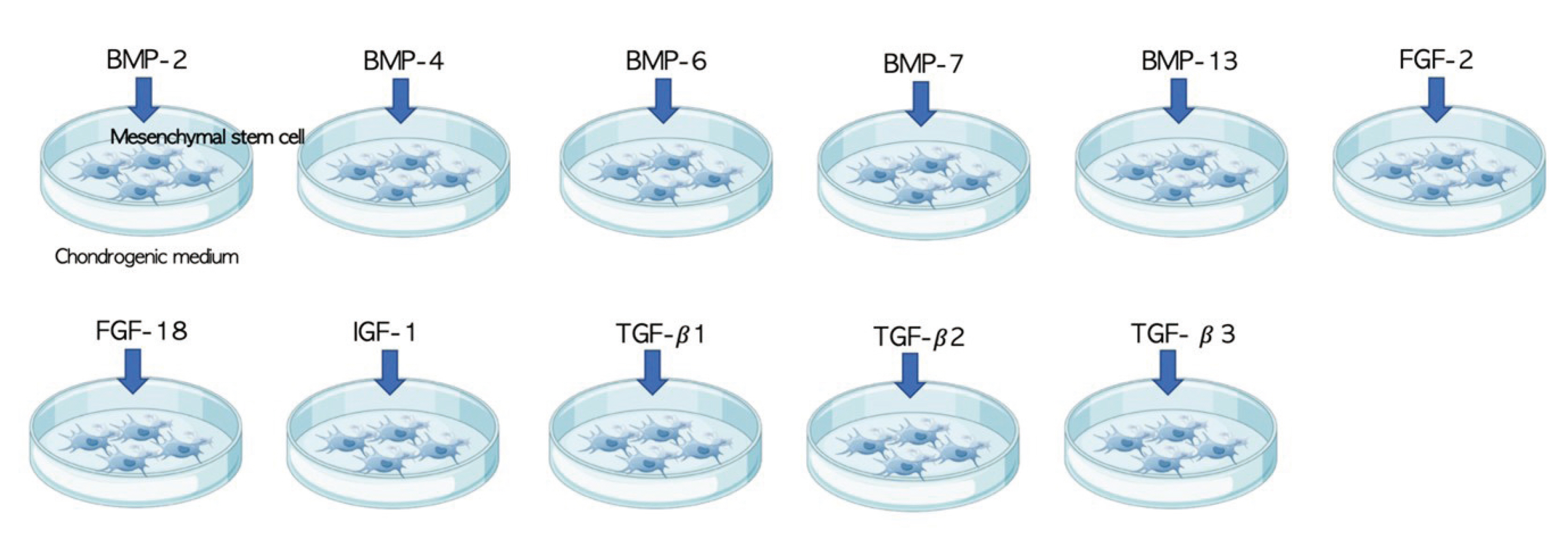
Fig. 1 Human mesenchymal stem cells were cultured in a chondrogenic medium supplemented with BMP-2, BMP-4, BMP-6, BMP-7, BMP-13, FGF-2, FGF-18, IGF-1, TGF-β1, TGF-β2, TGF-β3.
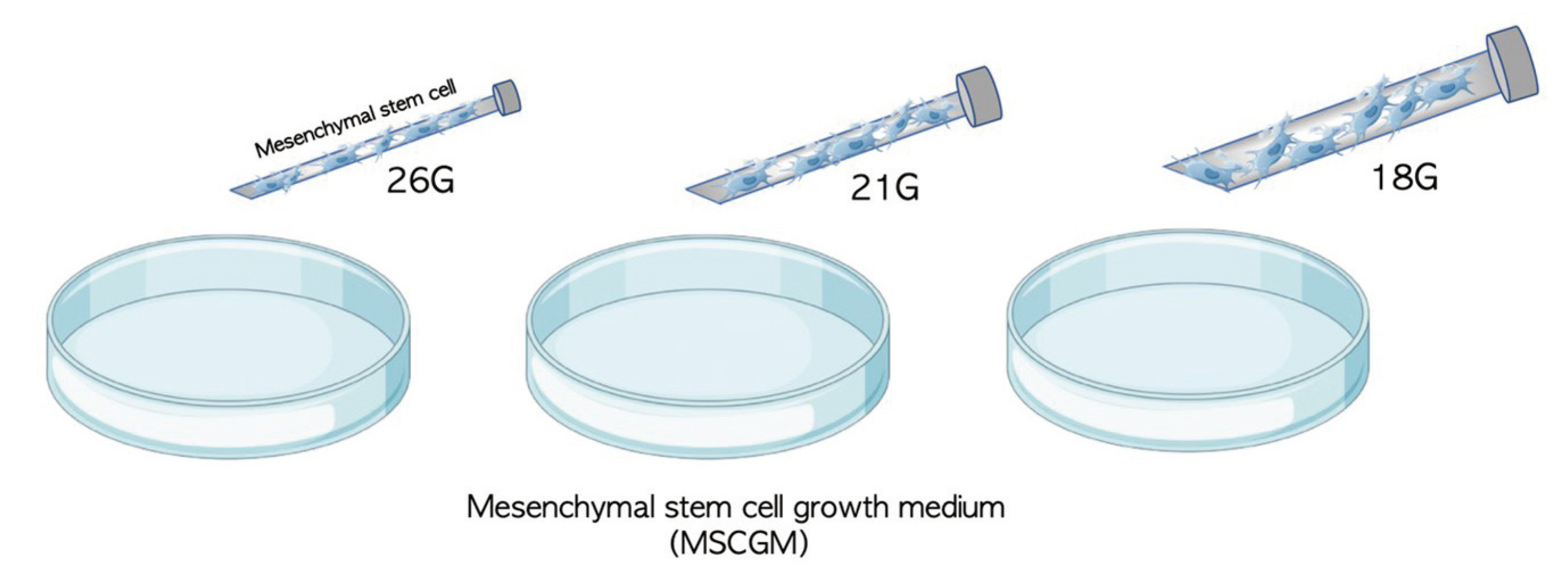
Fig. 2 Human mesenchymal stem cells were inoculated into mesenchymal stem cell growth medium using 18, 21, and 26 gauge (G) needles.
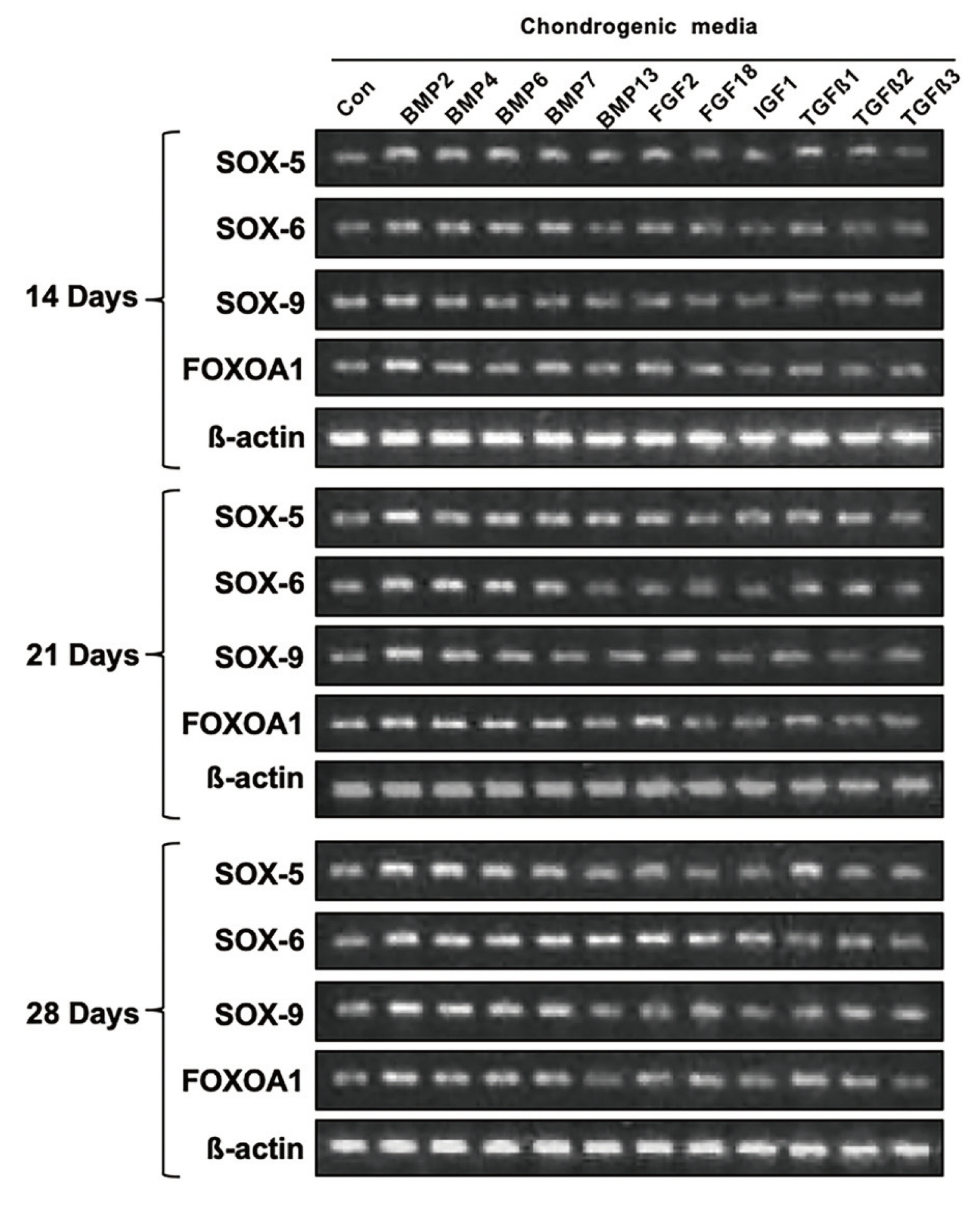
Fig. 3 Effect of growth factors (BMP-2, BMP-4, BMP-6, BMP-7, BMP-13, FGF-2, FGF-18, IGF-1, TGFβ1. TGFβ2, TGFβ3) on SOX-5, SOX-6, Sox9 and β-actin DNA expression after 14, 21, 28 days of mesenchymal stem cell culture.

Fig. 4 Result from the proliferation assay using ethidium bromide incorporation after 24, 48 and 72 h of mesenchymal stem cell culture. Note that only significant differences between the highest OD levels and other OD levels are presented. Oneway ANOVA (n = 5). **: significant difference (P < 0.01). Note that only significant differences between the highest gene expression levels and other gene expression levels are presented.
Reference
-
References
1. Kai S, Kai H, Tabata O, Shiratsuchi Y, Ohishi M. 1998; Long-term outcomes of nonsurgical treatment in nonreducing anteriorly displaced disk of the temporomandibular joint. Oral Surg Oral Med Oral Pathol Oral Radiol Endod. 85:258–67. DOI: 10.1016/S1079-2104(98)90005-1. PMID: 9540080.
Article2. Monje-Gil F, Nitzan G, González-Garcia R. 2012; Temporomandibular joint arthrocentesis. Review of the literature. Med Oral Patol Oral Cir Bucal. 17:e575–81. DOI: 10.4317/medoral.17670. PMID: 22322493. PMCID: PMC3476018.
Article3. Wang L, Tran I, Seshareddy K, Weiss ML, Detamore MS. 2009; A comparison of human bone marrowderived mesenchymal stem cells and human umbilical cord-derived mesenchymal stromal cells for cartilage tissue engineering. Tissue Eng Part A. 15:2259–66. DOI: 10.1089/ten.tea.2008.0393. PMID: 19260778.
Article4. Danišovič L, Varga I, Polák S. 2012; Growth factors and chondrogenic differentiation of mesenchymal stem cells. Tissue Cell. 44:69–73. DOI: 10.1016/j.tice.2011.11.005. PMID: 22185680.
Article5. Li J, Zhao Z, Liu J, Huang N, Long D, Wang J, Li X, Liu Y. 2010; MEK/ERK and p38 MAPK regulate chondrogenesis of rat bone marrow mesenchymal stem cells through delicate interaction with TGF-β1/Smads pathway. Cell Prolif. 43:333–43. DOI: 10.1111/j.1365-2184.2010.00682.x. PMID: 20590658. PMCID: PMC6495978.
Article6. Lefebvre V, Smits P. 2005; Transcriptional control of chondrocyte fate and differentiation. Birth Defects Res C Embryo Today. 75:200–12. DOI: 10.1002/bdrc.20048. PMID: 16187326.
Article7. Kalpakci KN, Kim EJ, Athanasiou KA. 2011; Assessment of growth factor treatment on fibrochondrocyte and chondrocyte co-cultures for TMJ fibrocartilage engineering. Acta Biomater. 7:1710–8. DOI: 10.1016/j.actbio.2010.12.015. PMID: 21185408. PMCID: PMC3050120.
Article8. Pizette S, Niswander L. 2000; BMPs are required at two steps of limb chondrogenesis: formation of prechondrogenic condensations and their differentiation into chondrocytes. Dev Biol. 219:237–49. DOI: 10.1006/dbio.2000.9610. PMID: 10694419.
Article9. Hassel S, Schmitt S, Hartung A, Roth M, Nohe A, Petersen N, Ehrlich M, Henis YI, Sebald W, Knaus P. Initiation of Smad-dependent and Smadindependent signaling via distinct BMP-receptor complexes. J Bone Joint Surg Am. 2003; 85-A Suppl 3:44–51. DOI: 10.2106/00004623-200300003-00009. PMID: 12925609.
Article10. Jin EJ, Lee SY, Choi YA, Jung JC, Bang OS, Kang SS. 2006; BMP-2-enhanced chondrogenesis involves p38 MAPK-mediated down-regulation of Wnt-7a path-way. Mol Cells. 22:353–9. DOI: 10.1016/S1016-8478(23)17431-0. PMID: 17202865.
Article11. Tang X, Fan L, Pei M, Zeng L, Ge Z. 2015; Evolving concepts of chondrogenic differentiation: history, state-of-the art and future perspect ives. Eur Cell Mater. 30:12–27. DOI: 10.22203/eCM.v030a02. PMID: 26214287.
Article12. Fortier LA, Lust G, Mohammed HO, Nixon AJ. 1999; Coordinate upregulation of cartilage matrix synthesis in fibrin cultures supplemented with exogenous insulin-like growth factor-I. J Orthop Res. 17:467–74. DOI: 10.1002/jor.1100170403. PMID: 10459751.
Article13. Sah RL, Chen AC, Grodzinsky AJ, Trippel SB. 1994; Differential effects of bFGF and IGF-I on matrix metabolism in calf and adult bovine cartilage explants. Arch Biochem Biophys. 308:137–47. DOI: 10.1006/abbi.1994.1020. PMID: 8311446.
Article14. O'Conor CJ, Case N, Guilak F. 2013; Mechanical regulation of chondrogenesis. Stem Cell Res Ther. 4:61. DOI: 10.1186/scrt211. PMID: 23809493. PMCID: PMC3707042.15. Maul TM, Chew DW, Nieponice A, Vorp DA. 2011; Mechanical stimuli differentially control stem cell behavior: morphology, proliferation, and differentiation. Biomech Model Mechanobiol. 10:939–53. DOI: 10.1007/s10237-010-0285-8. PMID: 21253809. PMCID: PMC3208754.
Article16. Luu YK, Capilla E, Rosen CJ, Gilsanz V, Pessin JE, Judex S, Rubin CT. 2009; Mechanical Stimulation of Mesenchymal Stem Cell Proliferation and Differentiation Promotes Osteogenesis While Preventing Dietary-Induced Obesity. J Bone Miner Res. 24:50–61. DOI: 10.1359/jbmr.080817. PMID: 18715135. PMCID: PMC2689082.
Article17. Stops AJ, Heraty KB, Browne M, O'Brien FJ, McHugh PE. 2010; A prediction of cell differentiation and proliferation within a collagen-glycosaminoglycan scaffold subjected to mechanical strain and perfusive fluid flow. J Biomech. 43:618–26. DOI: 10.1016/j.jbiomech.2009.10.037. PMID: 19939388.
Article18. Davisson T, Kunig S, Chen A, Sah R, Ratcliffe A. 2002; Static and dynamic compression modulate matrix metabolism in tissue engineered cartilage. J Orthop Res. 20:842–8. DOI: 10.1016/S0736-0266(01)00160-7. PMID: 12168676.
Article19. Sekiya I, Larson BL, Vuoristo JT, Reger RL, Prockop DJ. 2005; Comparison of effect of BMP-2, -4, and-6 on in vitro cartilage formation of human adult stem cells from bone marrow stroma. Cell Tissue Res. 320:269–76. DOI: 10.1007/s00441-004-1075-3. PMID: 15778851.
Article20. Ng F, Boucher S, Koh S, Sastry KS, Chase L, Lakshmipathy U, Choong C, Yang Z, Vemuri MC, Rao MS, Tanavde V. 2008; PDGF, TGF-β, and FGF signaling is important for differentiation and growth of mesenchymal stem cells (MSCs): transcriptional profiling can identify markers and signaling pathways important in differentiation of MSCs into adipogenic, chondrogenic, and osteogenic lineages. Blood. 112:295–307. DOI: 10.1182/blood-2007-07-103697. PMID: 18332228.
Article21. Solchaga LA, Penick K, Porter JD, Goldberg VM, Caplan AI, Welter JF. 2005; FGF-2 enhances the mitotic and chondrogenic potentials of human adult bone marrow-derived mesenchymal stem cells. J Cell Physiol. 203:398–409. DOI: 10.1002/jcp.20238. PMID: 15521064.
Article22. Park KH, Na K. 2008; Effect of growth factors on chondrogenic differentiation of rabbit mesenchymal cells embedded in injectable hydrogels. J Biosci Bioeng. 106:74–9. DOI: 10.1263/jbb.106.74. PMID: 18691535.
Article23. Moore EE, Bendele AM, Thompson DL, Littau A, Waggie KS, Reardon B, Ellsworth JL. 2005; Fibroblast growth factor-18 stimulates chondrogenesis and cartilage repair in a rat model of injury-induced osteoarthritis. Osteoarthritis Cartilage. 13:623–31. DOI: 10.1016/j.joca.2005.03.003. PMID: 15896984.
Article24. Blaney Davidson EN, van der Kraan PM, van den Berg WB. 2007; TGF-beta and osteoarthritis. Osteoarthritis Cartilage. 15:597–604. DOI: 10.1016/j.joca.2007.02.005. PMID: 17391995.25. Longobardi L, O'Rear L, Aakula S, Johnstone B, Shimer K, Chytil A, Horton WA, Moses HL, Spagnoli A. 2006; Effect of IGF-I in the chondrogenesis of bone marrow mesenchymal stem cells in the presence or absence of TGF-beta signaling. J Bone Miner Res. 21:626–36. DOI: 10.1359/jbmr.051213. PMID: 16598383.26. An C, Cheng Y, Yuan Q, Li J. 2010; IGF-1 and BMP-2 induces differentiation of adipose-derived mesenchymal stem cells into chondrocytes-like cells. Ann Biomed Eng. 38:1647–54. DOI: 10.1007/s10439-009-9892-x. PMID: 20052615.
Article27. Shin HY, Smith ML, Toy KJ, Williams PM, Bizios R, Gerritsen ME. 2002; VEGF-C mediates cyclic pressureinduced endothelial cell proliferation. Physiol Genomics. 11:245–51. DOI: 10.1152/physiolgenomics.00068.2002. PMID: 12388793.
Article28. Takahashi I, Nuckolls GH, Takahashi K, Tanaka O, Semba I, Dashner R, Shum L, Slavkin HC. 1998; Compressive force promotes sox9, type II collagen and aggrecan and inhibits IL-1beta expression resulting in chondrogenesis in mouse embryonic limb bud mesenchymal cells. J Cell Sci. 111:2067–76. DOI: 10.1242/jcs.111.14.2067. PMID: 9645953.29. Huang CY, Hagar KL, Frost LE, Sun Y, Cheung HS. 2004; Effects of cyclic compressive loading on chondrogenesis of rabbit bone-marrow derived mesenchymal stem cells. Stem Cells. 22:313–23. DOI: 10.1634/stemcells.22-3-313. PMID: 15153608.
Article30. Subramony SD, Su A, Yeager K, Lu HH. 2014; Combined effects of chemical priming and mechanical stimulation on mesenchymal stem cell differentiation on nanofiber scaffolds. J Biomech. 47:2189–96. DOI: 10.1016/j.jbiomech.2013.10.016. PMID: 24267271. PMCID: PMC4058785.
Article31. Moreau JE, Bramono DS, Horan RL, Kaplan DL, Altman GH. 2008; Sequential biochemical and mechanical stimulation in the development of tissue-engineered ligaments. Tissue Eng Part A. 14:1161–72. DOI: 10.1089/ten.tea.2007.0147. PMID: 18380592.
Article32. Safshekan F, Tafazzoli-Shadpour M, Shokrgozar MA, Haghighipour N, Mahdian R, Hemmati A. 2012; Intermittent hydrostatic pressure enhances growth factor-induced chondroinduction of human adipose-derived mesenchymal stem cells. Artif Organs. 36:1065–71. DOI: 10.1111/j.1525-1594.2012.01507.x. PMID: 22882542.
Article
- Full Text Links
-
- Actions
-
Cited
- CITED
-
- Close
- Share
-
- Similar articles
-
- Fibrin Scaffolds Designing in order to Human Adipose-derived Mesenchymal Stem Cells Differentiation to Chondrocytes in the Presence of TGF-beta3
- Stimulation of Chondrogenic Differentiation of Mesenchymal Stem Cells
- Morphological evaluation during in vitro chondrogenesis of dental pulp stromal cells
- Hypoxia Pretreatment Promotes Chondrocyte Differentiation of Human Adipose-Derived Stem Cells via Vascular Endothelial Growth Factor
- Wnt3a and wnt5a as Potential Chondrogenic Stimulators for Nucleus Pulposus Cell Induction: A Comprehensive Review