
Korean J Androl.
2012 Apr;30(1):52-56. 10.5534/kja.2012.30.1.52.
Progression of Peyronie's Disease during Tamoxifen Treatment
- Affiliations
-
- 1Department of Urology, Korea University Guro Hospital, Seoul, Korea. dgmoon@korea.ac.kr
- KMID: 2298809
- DOI: http://doi.org/10.5534/kja.2012.30.1.52
Abstract
- PURPOSE
Medical treatment of Peyronie's disease with tamoxifen has been initially proposed as acting upon the early phase of the disease. As recent reports show no significant benefit of tamoxifen, we review the long term results of tamoxifen treatment of Peyronie's disease.
MATERIALS AND METHODS
Time to progression during tamoxifen treatment of patients showing acute disease and chronic disease was compared. The acute phase was identified by pain during erection. Progression was defined as enlargement of plaque size or appearance of calcification.
RESULTS
The average treatment duration was 15.9+/-13.8 months (range: 3 to 48 months). The median time to progression was 7 months for acute patients and 20 months for chronic patients. Eighty percent of patients in the acute phase showed relief of pain; however, overall progression was 72.1% (78.0% for acute, 66.7% for chronic). Patient history, comorbidities, serum testosterone or initial plaque characteristics, and severity of curvature were not predictive of disease progression.
CONCLUSIONS
Tamoxifen showed no significant benefit in slowing the progression of Peyronie's disease in the acute phase over the chronic phase. Peyronie's disease continued to progress, though at a dampened rate for patient's in the chronic phase.
Keyword
MeSH Terms
Figure
-
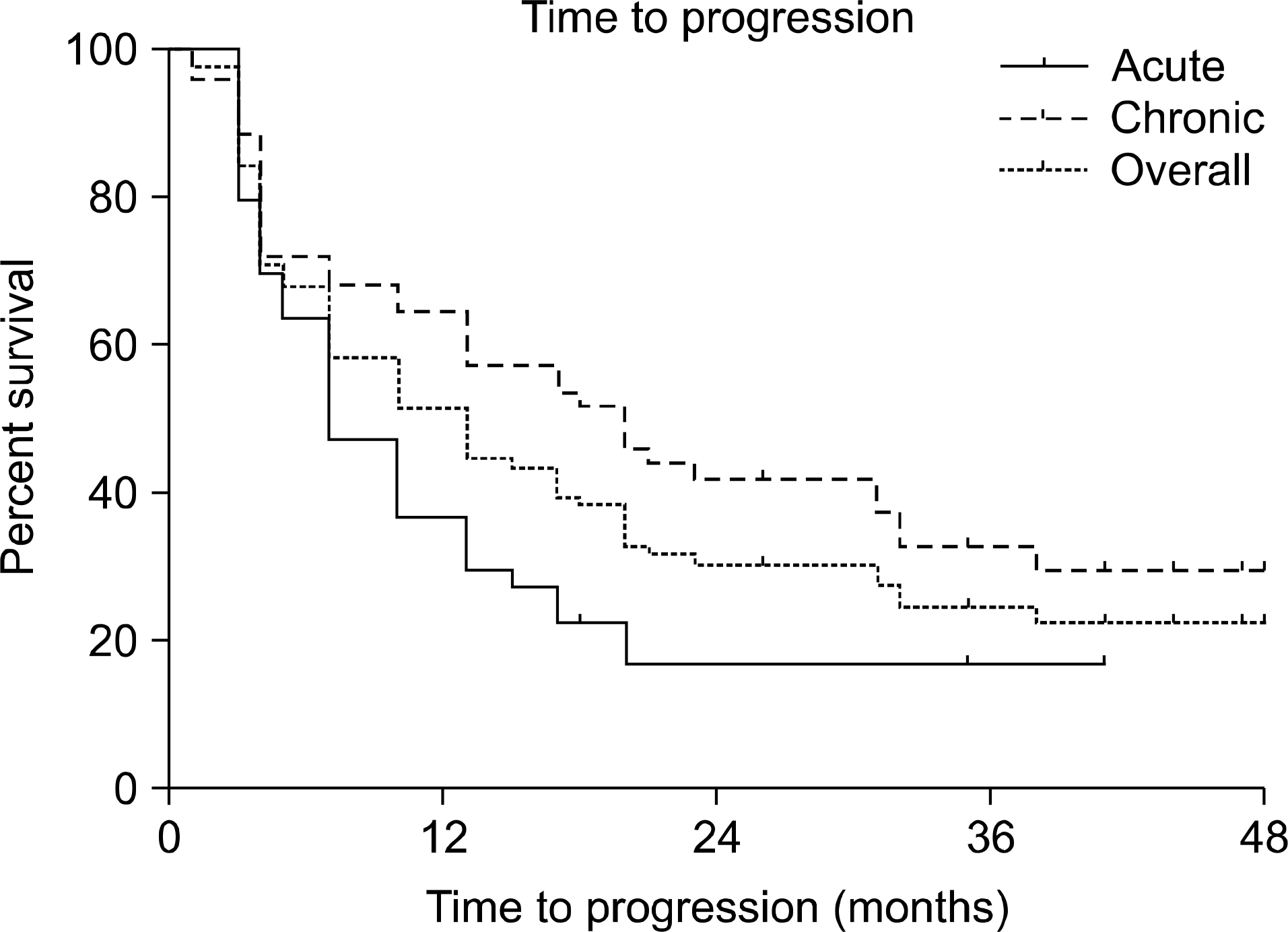
Fig. 1. Progression of Peyronie's disease in patient receiving tamoxifen.
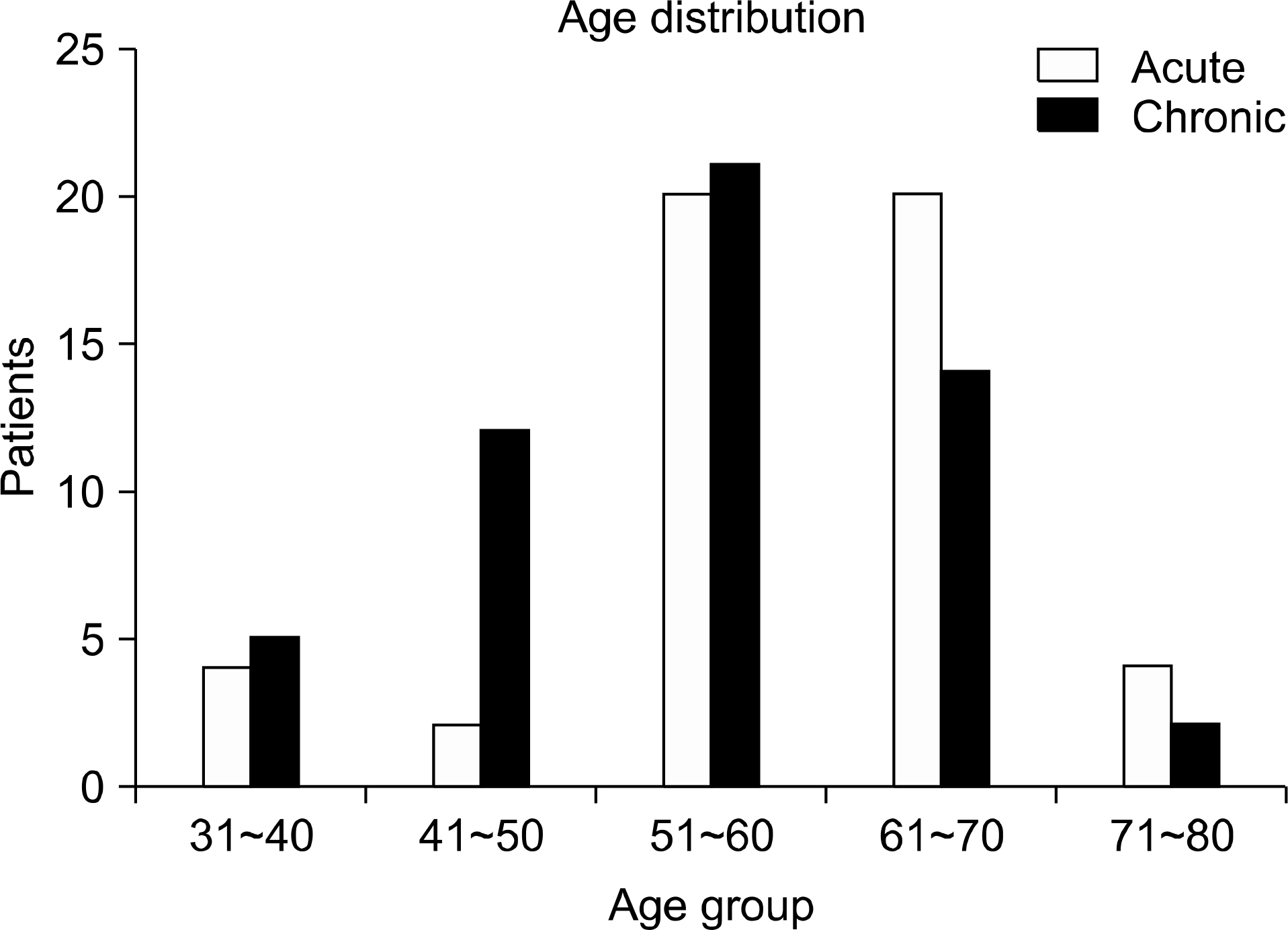
Fig. 2. Age distribution of Peyronie's disease.
Reference
-
1). Mulhall JP, Creech SD, Boorjian SA, Ghaly S, Kim ED, Moty A, et al. Subjective and objective analysis of the prevalence of Peyronie's disease in a population of men presenting for prostate cancer screening. J Urol. 2004; 171:2350–3.
Article2). Mulhall JP, Schiff J, Guhring P. An analysis of the natural history of Peyronie's disease. J Urol. 2006; 175:2115–8.
Article3). Pryor J, Akkus E, Alter G, Jordan G, Lebret T, Levine L, et al. Peyronie's disease. J Sex Med. 2004; 1:110–5.
Article4). Ralph D, Gonzalez-Cadavid N, Mirone V, Perovic S, Sohn M, Usta M, et al. The management of Peyronie's disease: evidence-based 2010 guidelines. J Sex Med. 2010; 7:2359–74.
Article5). Ralph DJ, Brooks MD, Bottazzo GF, Pryor JP. The treatment of Peyronie's disease with tamoxifen. Br J Urol. 1992; 70:648–51.
Article6). Teloken C, Rhoden EL, Grazziotin TM, Ros CT, Sogari PR, Souto CA. Tamoxifen versus placebo in the treatment of Peyronie's disease. J Urol. 1999; 162:2003–5.
Article7). Hellstrom WJ. Medical management of Peyronie's disease. J Androl. 2009; 30:397–405.
Article8). Shindel AW, Bullock TL, Brandes S. Urologist practice patterns in the management of Peyronie's disease: a nationwide survey. J Sex Med. 2008; 5:954–64.
Article9). Tefekli A, Kandirali E, Erol H, Alp T, Köksal T, Kadioğlu A. Peyronie's disease in men under age 40: characteristics and outcome. Int J Impot Res. 2001; 13:18–23.
Article10). Kadioglu A, Tefekli A, Erol B, Oktar T, Tunc M, Tellaloglu S. A retrospective review of 307 men with Peyronie's disease. J Urol. 2002; 168:1075–9.
Article11). Bekos A, Arvaniti M, Hatzimouratidis K, Moysidis K, Tzortzis V, Hatzichristou D. The natural history of Peyronie's disease: an ultrasonography-based study. Eur Urol. 2008; 53:644–50.
Article12). Ralph DJ, Mirakian R, Pryor JP, Bottazzo GF. The immunological features of Peyronie's disease. J Urol. 1996; 155:159–62.
Article13). Apaydin E, Semerci B, Kefi A, Cikili N, Gürsan A, Mülazimoglu N. The use of Tamoxifen in the treatment of Peyronie's disease. Int J Impotence Res. 1998; 10(Suppl 3):S57.14). Williams JL, Thomas GG. The natural history of Peyronie's disease. Proc R Soc Med. 1968; 61:876–7.
Article15). Levine LA, Estrada CR, Storm DW, Matkov TG. Peyronie disease in younger men: characteristics and treatment results. J Androl. 2003; 24:27–32.
- Full Text Links
-
- Actions
-
Cited
- CITED
-
- Close
- Share
-
- Similar articles
-
- Tamoxifen Only versus L-Carnitine and Tamoxifen in the Oral Therapy of Peyronie's Disease
- Effect of Potassium Aminobezoate in Oral Therapy for Peyronie's Disease: Preliminary Study
- Two cases of Peyronie's disease treated by auto-dermal graft technique
- Implantation of Malleable Penile Prostheses in Peyronie's Disease Associated with Erectile Dysfunction
- The Efficacy of Medical Treatment of Peyronie's Disease: Potassium Para-Aminobenzoate Monotherapy vs. Combination Therapy with Tamoxifen, L-Carnitine, and Phosphodiesterase Type 5 Inhibitor


